A Comprehensive Guide to Picking the Ideal Rooflights for Your Home
Choosing the ideal rooflights can revolutionize a home, enhancing both ambiance and light. Various types, from skylights to lanterns, offer unique benefits. However, selecting the most fitting option demands careful consideration of several factors, such as installation methods and material durability. As homeowners evaluate these choices, recognizing the essential criteria proves important. Which aspects deserve the most attention to reach the best outcome? The path to illuminating a living space begins here.
Why Rooflights Are Essential for Your Home
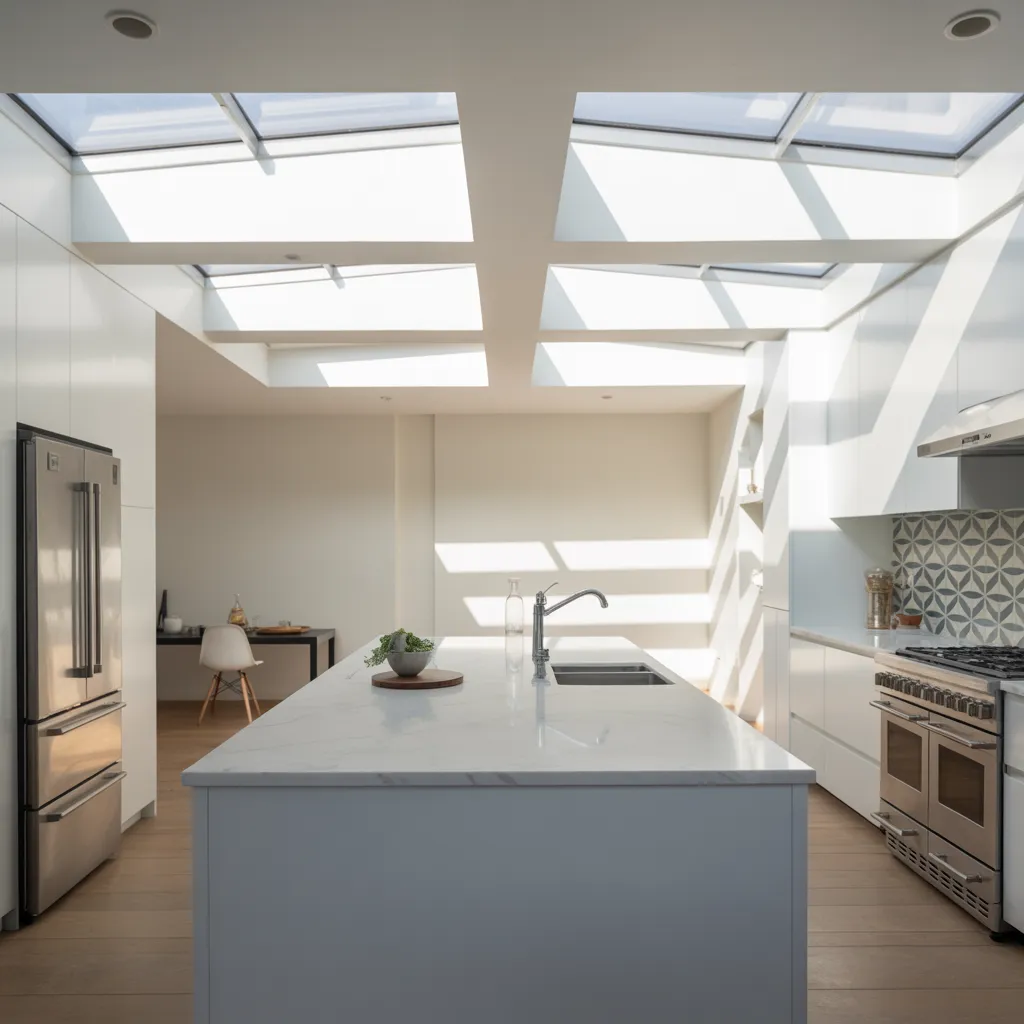
Although many homeowners prioritize traditional windows for natural light, rooflights present an exceptional solution that revitalizes spaces and enhances living environments. By allowing light to enter from above, rooflights generate a feeling of openness and spaciousness that conventional windows frequently cannot replicate. This influx of natural light can greatly improve mood and well-being, making spaces feel more inviting and comfortable.
Furthermore, rooflights can improve energy efficiency by cutting down on the need for electric lighting during the day. They can also provide passive heating advantages, particularly in the winter months, by permitting natural light to warm indoor areas.
Furthermore, rooflights are able to be thoughtfully situated to emphasize design elements or create eye-catching features, contributing aesthetic value. All things considered, adding rooflights into a property not only enhances natural lighting but also improves the general environment, making them an essential consideration for today's homeowners aiming to optimize their home environments.

Multiple Varieties of Rooflights: A Complete Guide
Rooflights can be found in numerous styles and designs, each providing distinct benefits to homeowners. The most popular types include tubular daylighting devices, skylights, and roof windows. Skylights are typically fixed or vented openings in the roof, permitting natural light to illuminate spaces below while delivering ventilation options. Roof windows, designed for vertical installation, are ideal for loft conversions, improving both aesthetics and functionality.
Tubular daylight systems employ reflective tubes to guide daylight from the rooftop to interior spaces, rendering them a superior option for spaces where roof access is restricted. Furthermore, rooftop lantern lights offer a dramatic design element while optimizing natural light and airflow. Each type can greatly impact a property's atmosphere and energy performance. At the end of the day, understanding these various options allows homeowners to reach educated conclusions tailored to their specific needs and preferences.
Key Criteria for Choosing Rooflights
When choosing rooflights, essential factors include energy efficiency ratings and light transmission efficiency. These aspects considerably affect both the amount of natural light entering a space and the overall energy consumption of a home. Knowing these considerations is fundamental for making a knowledgeable selection that promotes comfort and environmental efficiency.
Light Transmission Efficiency
Light transmission efficiency serves as a critical factor in selecting rooflights, affecting both the atmosphere and energy efficiency of a property. This factor determines how much natural light enters through the rooflight, affecting the overall luminosity and comfort of living spaces. Increased light transmission minimises the need for supplementary lighting, elevating the home's overall appeal while promoting a more inviting atmosphere. Additionally, the components utilised in rooflights, like glass and polycarbonate panels, provide differing capacities for light transmission, which may influence homeowners' decisions. Evaluating the specific needs of each room, such as its purpose and positioning, can inform choices regarding the optimal light transmission rates, ultimately supporting a cohesive and welcoming home environment.
Energy Performance Ratings
Picking rooflights requires careful consideration of energy efficiency ratings, as these ratings directly affect the home's thermal performance and energy consumption. Rooflights are generally rated using the U-value, which assesses heat transfer; a lower U-value reflects better insulation. Additionally, solar heat gain coefficients (SHGC) evaluate how much solar energy travels through the rooflight. Opting for options with low U-values and suitable SHGC ratings can significantly lower heating and cooling costs. Energy-efficient rooflights also support improved comfort levels and decreased environmental impact. Homeowners should also examine the product's accreditation, such as Energy Star ratings, to ensure compliance with energy efficiency standards. In conclusion, informed decisions improve both sustainability and energy savings in homes.
How to Choose the Right Rooflight Materials
When selecting rooflight materials, homeowners should assess the advantages of glass compared to polycarbonate. Energy efficiency is a critical consideration that impacts not only household bills but also the overall living comfort. Furthermore, the visual appeal of each option can greatly impact the property's visual character.
Glass Versus Polycarbonate Choices
Selecting the appropriate material for rooflights can significantly impact both visual appeal and practical use, as homeowners consider the advantages of glass and polycarbonate choices. Glass rooflights deliver a sleek, elegant appearance and outstanding light transmission, making them ideal for enhancing natural light. They also offer greater scratch resistance and can deliver improved long-term resilience. On the other hand, polycarbonate rooflights boast a lighter weight and greater impact resistance, rendering them appropriate for regions exposed to challenging weather. Furthermore, polycarbonate is generally available in a range of colors and styles, providing more versatile design options. Whereas glass might need more care to stay clean and clear, polycarbonate tends to be more cost-effective and simpler to install. At the end of the day, selecting between these materials relies on individual tastes and unique project specifications.
Considerations for Energy Efficiency
Considering the increasing relevance of energy efficiency in home design, the selection of rooflight materials plays a crucial role in reducing energy consumption. Superior glazing alternatives, such as triple-pane glass, provide excellent thermal insulation, minimizing heat loss during colder months and keeping indoor spaces comfortable. Moreover, Low-E surface treatments can redirect infrared rays, boosting overall energy savings without sacrificing daylight intake. Polycarbonate glazing options, while commonly providing lower insulation than glass, can still provide satisfactory thermal benefits when chosen with multi-wall designs that capture air to enhance insulation. Furthermore, selecting materials with a high solar heat gain coefficient (SHGC) can optimize natural heating, additionally improving overall energy performance. In conclusion, carefully evaluated material decisions can greatly impact a residence's total energy efficiency.
Visual Attractiveness Elements
The aesthetic influence of rooflights plays a major role in the general appearance of a home. Different materials offer unique characteristics that can enhance or detract from a property's visual character. As an example, glass rooflights offer a modern, sleek appearance, enabling generous amounts of natural light to flood interiors. On the other hand, classic materials including polycarbonate can provide a more rustic or vintage feel, attracting homeowners who prefer a traditional style. Furthermore, structural elements like aluminum or timber frames affect not only the visual appeal but also the longevity and upkeep demands. In the process of picking rooflights, property owners ought to evaluate how the selection integrates with the surrounding design, achieving a consistent appearance that enriches the building's charm while fulfilling functional needs.
Installing Rooflights: Should You DIY or Hire a Pro?
When evaluating rooflight installation, it is important to weigh the advantages of a DIY approach against hiring a professional. A DIY installation offers a cost-effective solution, helping homeowners cut down on labor costs and develop valuable hands-on skills. However, it necessitates a strong grasp of roofing structures, regional building regulations, and the expertise to address possible complications.
That said, engaging a professional contractor guarantees a superior installation, as trained contractors are well-versed in different rooflight configurations and possible complications. Expert installers can additionally supply guarantees and ensure adherence to safety standards, decreasing the potential for future setbacks.
At the end of the day, the determination rests on how confident the homeowner feels about their capabilities and how complex the project turns out to be. For simpler installations, taking a DIY route may be adequate, while larger or more intricate designs typically warrant professional assistance to guarantee both reliability and efficiency.
Best Practices for Situating Rooflights for Maximum Light
Successful rooflight installation relies not just on professional installation but also on thoughtful situating to enhance natural illumination. To attain optimal light levels, take into account the orientation of the rooflights. South-facing installations receive the greatest amount of sunlight during the day, while eastward and westward positions provide morning and evening light, respectively.
Locating rooflights in proximity to primary living areas, such as kitchens and lounges, improves the general ambiance. Additionally, making sure that rooflights are free from obstructions—for instance overhanging trees or nearby buildings—will promote clear light entry.
Within bigger areas, using multiple smaller rooflights can achieve a more uniform spread of light, avoiding unwanted shadows. It's also worth noting the placement height of the rooflight; higher placements allow light to penetrate deeper into the room. Finally, installing rooflights at an angle can help direct sunlight more effectively, filling the room with natural light across the day.
Maintaining Your Rooflights: Key Maintenance Guidelines
Proper maintenance is essential for guaranteeing rooflights consistently deliver perfect natural light and improve the visual appeal of the property. Routine checks should be performed to look for signs of damage, such as fractures or water ingress. Regular cleaning of rooflights is essential; accumulated grime and debris can block light and encourage mold development. A soft cloth with a mild soap mixture is suggested to avoid scratching the surface.
Moreover, property owners should inspect surrounding roof components to verify they are in sound condition, as this can influence the performance of the rooflight. Verifying adequate drainage around the skylight helps prevent water accumulation, which can cause water leaks.
It is full information furthermore recommended to inspect seals and flashing on a regular basis to ensure airtightness is preserved. When any concerns are detected, addressing them promptly can prevent more extensive damage. By adhering to these key maintenance practices, homeowners can maximize the longevity and functionality of their rooflights, ensuring they continue to be a appealing element of the property.
Common Questions and Answers
What Are the Energy Efficiency Benefits of Rooflights?
Roof lights improve energy efficiency by harnessing natural daylight, decreasing dependence on artificial light sources, and improving ventilation. The outcome is reduced energy usage, decreased heating costs, and an improved indoor atmosphere all year round.
Can Rooflights Help Decrease Heating or Cooling Bills?
Rooflights are highly effective at reducing heating and cooling costs by increasing natural light levels, which minimizes reliance on artificial lighting and aids in maintaining a stable indoor temperature. This efficiency can lead to lower energy bills over time.
How Can Rooflights Influence Your Home Insurance Premiums?
Rooflights may potentially influence household insurance costs, as they may enhance property value and attractiveness. That said, they may also raise risk assessments, causing premiums to rise if deemed vulnerable to water damage or deterioration.
Do Any Building Regulations Apply to Rooflight Installation?
Indeed, building regulations for installing rooflights exist. They safeguard safety, structural integrity, and energy efficiency. Before installation, homeowners should consult local regulations and secure the required permissions to steer clear of potential legal and insurance complications.
What Common Rooflight Installation Mistakes Should You Avoid?
Typical rooflight fitting mistakes include improper sealing, weak structural support, improper sizing, overlooking drainage, and neglecting to consider heat performance. Every mistake can result in leaks, energy inefficiency, and structural issues over time.